Know This Before You Buy in Phoenix
For most out-of-state buyers, the challenge isn’t finding a beautiful home.
It’s figuring out where you’ll actually be happy.
The Phoenix metro is massive. And every area feels different. What works for one buyer can feel completely wrong for another.
This is part two of a series where I break down the biggest frustrations buyers face when relocating to the greater Phoenix area. Today, we’re covering three major decision points that can make — or break — your move.
Let’s get into it.
#4 THE PHOENIX BUYER GUIDE: WHICH AREA ACTUALLY FITS YOU?
There is no “best area” in Phoenix.
There’s only the best area for you.
That’s why we start with a one-on-one Zoom consultation. No pressure. No obligation. Just strategy based on:
- Your budget
- Your timeline
- Your lifestyle
- Your commute
- Your long-term plans
Here are a few common buyer profiles we work with.
FAMILIES WITH KIDS (OR PLANNING SOON)
If schools are a priority, timing matters.
- If you have school-age children now → you need established, well-performing schools.
- If you’re planning for the future → we can discuss areas where schools are coming in.
And let me be honest: if the schools aren’t strong, that affects resale later. Even if you homeschool.
We also factor in:
- Where you work
- Commute tolerance
- How long you’ll stay in the home
- Community vibe and amenities
It’s not about a list of five neighborhoods. It’s about aligning your lifestyle with the right pocket of the valley.
RETIREES (BUT NOT “ONE FOOT IN THE GRAVE”)
Many buyers want:
- A higher median age
- Fewer young families
- Still close to dining and shopping
- Not necessarily 55+
There are pockets in the valley that naturally skew older without being age-restricted. There are also some communities experimenting with 45+ models.
This nuance? You won’t find it on Google.
INVESTORS
I’ll be very direct.
There are better investment markets than Phoenix right now.
But if you’re committed to investing here, we’ll discuss:
- Long-term holds
- Appreciation pockets
- Exit strategies
- Builder competition risk
We approach investing strategically — not emotionally.
FIRST-TIME BUYERS
First-time buyers often don’t need to push into far outer suburbs where they’ll be stuck for 10+ years.
Sometimes a resale home with:
• Sweat equity potential
• Better location
• Stronger long-term appreciation
…makes more sense than brand-new construction on the outskirts.
Again — this is a conversation.
#5 BEST PLACES FOR NEW CONSTRUCTION (AND WHAT BUILDERS DON’T TELL YOU)
Everyone wants new construction.
But new comes with trade-offs.
DON’T COUNT ON “PROPOSED” AMENITIES
Let me give you a real example.
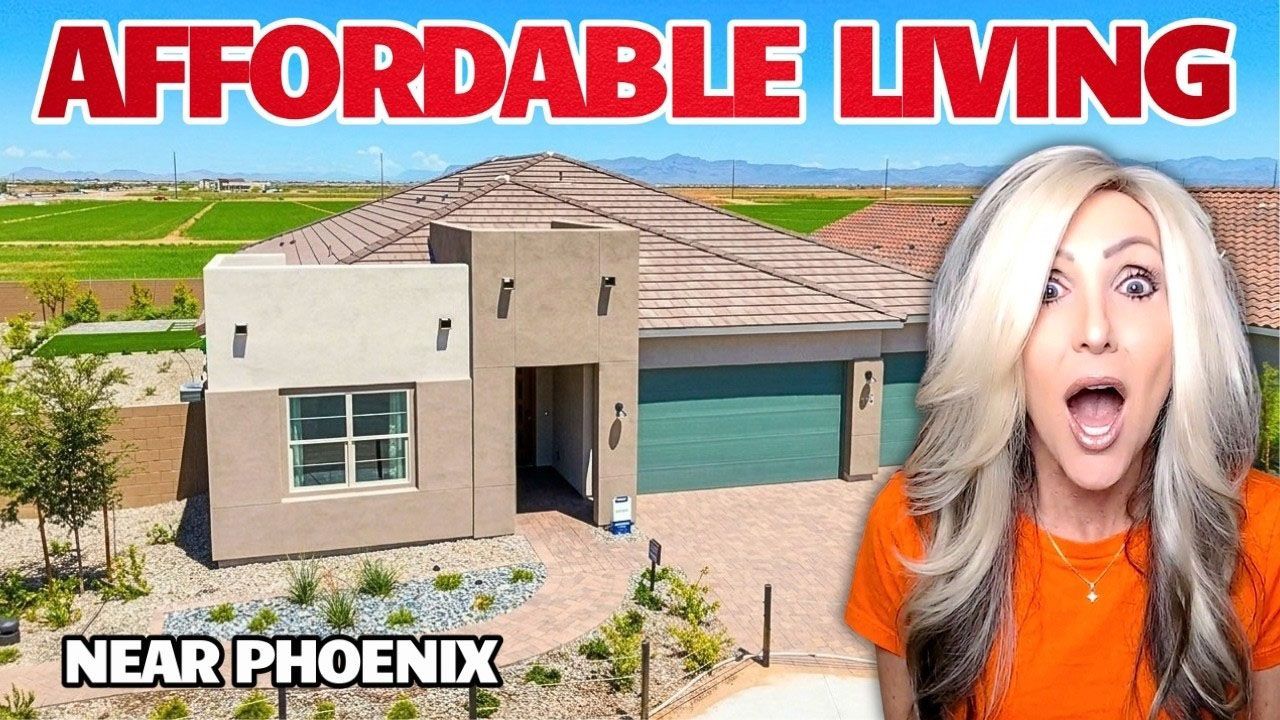
In Eastmark in Southeast Mesa, buyers were told for years that high-end shopping and dining would anchor the area.
Instead? Data centers.
Another example: A home near Superstition Mountain once had beautiful open views. A builder later purchased land above it. Now? Wall instead of mountain.
Until dirt is moving, plans can change.
Every time.
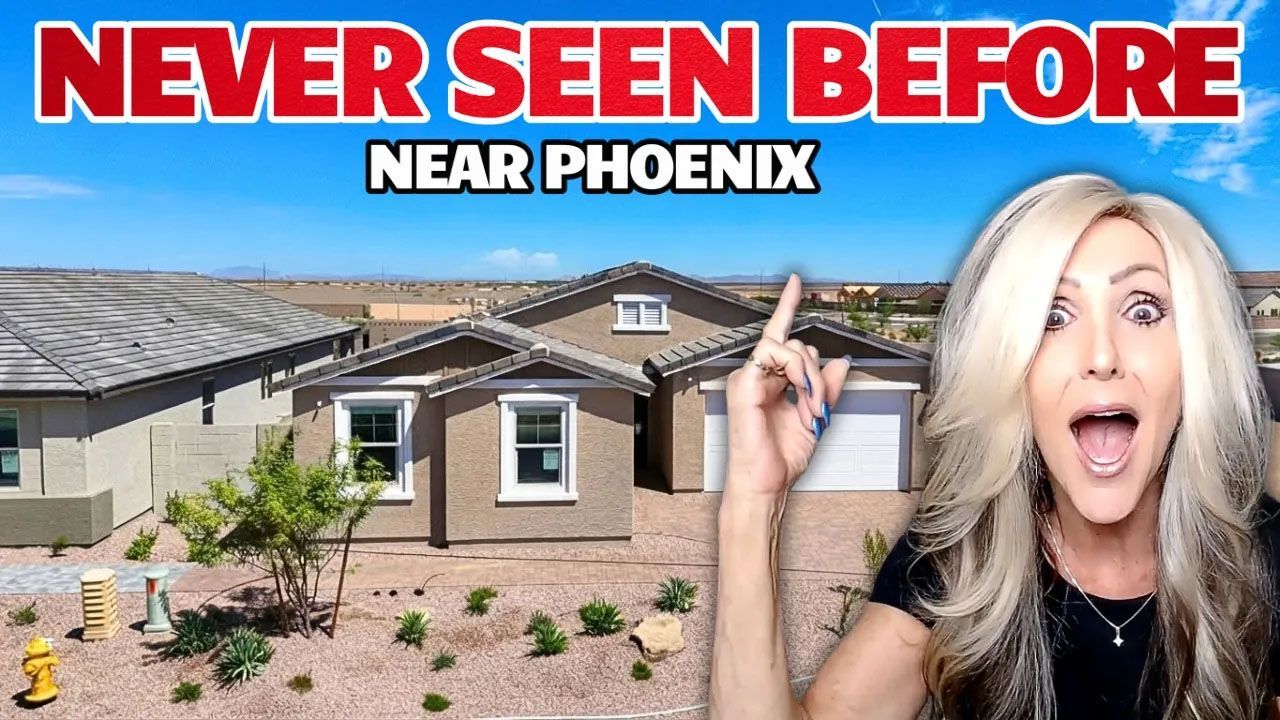
LOT SIZES AND DENSITY MATTER
Builders are maximizing land use.
45-foot-wide lots are common.
Homes 3 feet from the fence.
Windows facing stucco walls.
Want a pie-shaped lot or extra elbow room?
Expect:
- $30,000–$75,000 lot premiums
And you won’t fully recapture that premium at resale.
HOAs IN NEW COMMUNITIES
Older resale communities:
$50/month is common.
New communities:
$100–$200+ per month is standard.
And here’s the kicker — you start paying HOA the day you close, even if:
- The pool isn’t built yet
- The clubhouse isn’t finished
- The parks are still “proposed”
THE BACKYARD REALITY
New construction = unfinished backyard.
If you want:
- Pool
- Pergola
- BBQ area
- Landscaping
- Trees (don’t forget the trees)
You’re looking at $125,000–$150,000 easily.
And no — you won’t get that money back dollar-for-dollar when you sell.
If a private pool matters, resale is often the smarter financial move.
COMMUTE AND CONGESTION
Outer suburbs like:
- San Tan Valley
- Queen Creek
- Buckeye
…are growing rapidly.
But so is traffic.
Long commutes impact:
- Stress levels
- Social life
- Car wear and tear
- Overall happiness
I’ve seen buyers move from San Tan Valley back into Chandler because lifestyle didn’t match what they expected.
I’m also seeing buyers move from Queen Creek into Gilbert for:
- Stronger schools
- Better freeway access
- More shopping and dining
- Higher long-term appreciation stability
There’s a reason certain cities consistently outperform in slower markets.
#6 NEW VS. RESALE: THINK ABOUT YOUR EXIT STRATEGY
New construction pros:
- Modern style
- Open layouts
- Lower immediate maintenance
Cons:
- Smaller lots
- Higher HOAs
- Unfinished yards
- Distance from amenities
- Builder competition at resale
If you plan to sell in under 7 years, you may compete directly with the builder still selling new homes nearby.
If you plan to stay 10+ years, that risk decreases.
Areas like Gilbert and Chandler have historically shown stronger stability during slower markets compared to farther-out suburbs.
That’s not opinion.
That’s data.
At the end of the day, this isn’t just a real estate decision.
It’s a lifestyle decision.
Whether you’re:
- Starting a family
- Downsizing
- Investing
- Relocating for work
We want you in the area that supports your happiness — not just your budget.
Buying a home in Phoenix isn’t the hard part.
Choosing the right place is.
If you’re considering moving to the greater Phoenix area, give us a call, shoot us a text, or send us an email. We’ll set up a Zoom consultation and build a strategy tailored specifically to you.
Days, nights, weekends — we’ve got your back.

Sheryl Willis
With over 20 years in Greater Phoenix real estate, Sheryl Willis helps buyers navigate relocating with ease. Known for her expertise and client-focused approach, she shares valuable insights on her YouTube channel to make moving to Phoenix a seamless experience.
Watch the latest arizona Video