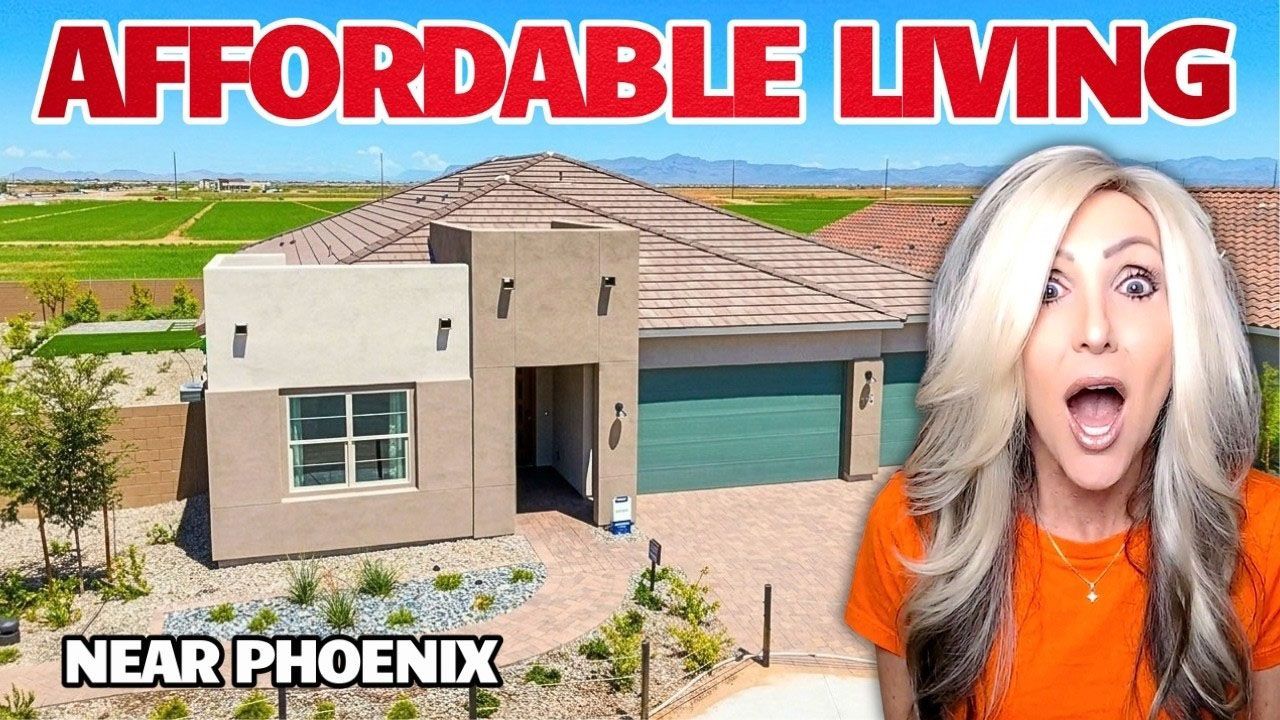
How to Choose the RIGHT Area in the Valley
Moving to Phoenix from out of state comes with a lot of questions. But the most important one is actually pretty simple:
WHERE IN THE VALLEY WILL YOU TRULY FEEL HAPPY ONCE THE BOXES ARE UNPACKED?
In this ongoing 2026 relocation series, we’re breaking down the biggest buyer regrets people experience after moving to the Phoenix area—so you can avoid making the same expensive mistakes.
This is Part 3 of the series, and today we’re covering three more relocation realities buyers often overlook:
• Why location matters far more than price
• How Phoenix heat and backyard orientation impact daily life
• The true cost of owning a home beyond just the purchase price
Let’s dive in.
7. Location Matters More Than the House
When buyers start searching online, they usually focus on the house itself.
The layout.
The upgrades.
The backyard.
The price.
But in Phoenix, location is the single most important factor determining whether you love your home—or regret it.
The Phoenix metro area is massive. We're talking about 40+ distinct submarkets, each with completely different lifestyles.
You’ll find:
- Luxury desert communities
- Golf course neighborhoods
- Rural and farm-style areas
- Fast-growing suburbs
- Quiet retirement communities
- Bustling urban districts
Two homes priced exactly the same can offer completely different lifestyles depending on where they’re located.
Sometimes the same exact house can be $100K–$200K cheaper in one area compared to another. There’s always a reason for that difference.
THINGS BUYERS RARELY THINK ABOUT:
- Airport flight paths
- Military jet noise (Luke Air Force Base)
- Local air parks
- Traffic patterns
- Crime pockets
- Air quality
- Proximity to employment hubs
For example:
- Luke Air Force Base affects many West Valley communities with frequent fighter jet training flights.
- Mesa Gateway Airport impacts parts of the Southeast Valley.
- Phoenix Sky Harbor can affect parts of Tempe.
These are details that Google searches won’t show you.
And even within a single city like Chandler, there are over 400 subdivisions—each with its own unique feel.
That’s why 15 minutes in Phoenix can mean an entirely different lifestyle.
8. Phoenix Heat Is Real (And It Changes How You Live)
Let’s talk about something every out-of-state buyer asks about.
Yes, Phoenix summers are hot.
But the bigger issue is how the heat changes daily life—and even your home design decisions.
One of the biggest mistakes buyers make?
Ignoring backyard orientation.
WEST-FACING BACKYARDS
Builders sell them every day, but they come with major tradeoffs.
A west-facing backyard means:
- Direct sun all afternoon
- Intense heat in summer
- Limited backyard use May through September
Many homeowners with west-facing yards only enjoy their patios during:
October through April.
THE IDEAL ORIENTATION: NORTH–SOUTH
A north-south facing home allows:
- Consistent shade
- Cooler backyard temperatures
- Usable outdoor space most of the year
And in Phoenix, your backyard isn’t just a backyard.
It’s an extension of your living space.
That’s why you’ll see:
- Outdoor kitchens
- Covered patios
- Pergolas
- Large sliding glass doors connecting indoors and outdoors
Shade matters more than square footage here.
Trees, pergolas, and patio cover design can dramatically affect your comfort level.
Microclimates Exist in Phoenix
Even within the Valley, temperatures can vary slightly depending on location.
For example:
Cooler areas include:
- Gold Canyon
- Apache Junction
- Higher elevation areas like Cave Creek and Anthem
These areas sometimes benefit from light evening breezes and slightly cooler nighttime temperatures.
Meanwhile, areas closer to the urban core can experience more heat retention and air stagnation, especially near large mountain barriers.
For example, the north side of South Mountain can trap pollutants and experience poorer air circulation compared to nearby areas like Ahwatukee.
These are the types of hyper-local insights relocation buyers rarely discover until it’s too late.
9. The True Cost of Owning a Home in Phoenix
Many buyers focus only on the purchase price.
But the true cost of homeownership in Phoenix includes several hidden factors.
PROPERTY TAXES
Taxes vary by:
- County
- City
- Neighborhood
- Community districts (CFDs)
Many newer communities—especially in Buckeye—include Community Facility Districts (CFDs) that increase property taxes significantly.
These additional taxes help fund infrastructure like roads and utilities, but they can add thousands to annual ownership costs.
ELECTRIC BILLS
Phoenix has two main utility providers:
- APS
- SRP
You don’t get to choose your provider—it depends on where the home is located.
Electric bills depend heavily on:
- Home orientation
- Window placement
- Insulation
- Shade coverage
- Size of the home
Homes with west-facing windows and backyards will generally cost more to cool.
HOA FEES
HOAs vary dramatically.
Older communities may have fees as low as:
$40–$60 per month
New construction communities often charge:
$120–$200+ per month
Sometimes those higher HOA fees don’t even include major amenities like pools or clubhouses.
This is another reason many buyers consider resale homes in established communities.
WATER COSTS
Water and sewer rates vary widely by city.
For example:
Chandler average water bill: around $85
Gilbert water bills: often $250+
The difference comes down to how cities manage infrastructure, growth, and water systems.
These differences can significantly impact your monthly expenses.
INSURANCE COSTS
Another surprise for many buyers:
Car insurance rates can vary by zip code within the Phoenix metro.
In some cases, West Valley insurance premiums are noticeably higher than East Valley areas.
Phoenix Is an Incredible Place to Live—If You Choose the Right Area
- Phoenix offers amazing lifestyle opportunities:
- Beautiful desert scenery
- 300+ days of sunshine
- Outdoor recreation
- International travel access
- Growing job markets
- Diverse communities
But the wrong location choice can lead to expensive regret.
That’s why working with a true relocation expert matters.
Thinking About Moving to Phoenix?
If you’re relocating to the Phoenix area and want honest guidance about where to live, we’re here to help.
We’ll help you understand:
- Which areas match your lifestyle
- New construction vs resale options
- Commute patterns
- School districts
- Property taxes and hidden costs
- Future growth areas
Give us a call, shoot us a text, or send us an email—days, nights, or weekends.
We help relocation buyers every day, and
we’ve got your back when moving to Phoenix, Arizona.

Sheryl Willis
With over 20 years in Greater Phoenix real estate, Sheryl Willis helps buyers navigate relocating with ease. Known for her expertise and client-focused approach, she shares valuable insights on her YouTube channel to make moving to Phoenix a seamless experience.
Watch the latest arizona Video