5 Mistakes Buyers Make When Moving to Phoenix AZ
Relocating to Phoenix might seem simple at first glance—sunshine, beautiful homes, and endless suburbs. But every year, buyers make the same avoidable mistakes that can cost thousands of dollars—or worse, lead to serious regret after the move.
If you’re planning a move to the Valley, understanding these common pitfalls will help you make smarter decisions and get the most out of your relocation.
1. UNDERESTIMATING WATER AVAILABILITY
Water is one of the most misunderstood aspects of moving to Arizona.
Recent climate patterns—like warmer winters across Arizona, Colorado, and Utah—have impacted snowpack levels, which directly affect water supply. Less snowpack means less water flowing into reservoirs and aqueduct systems.
While established cities like Scottsdale, Chandler, and Gilbert remain stable, some outlying areas and new construction zones may face stricter water regulations over time.
What to consider:
- Ask about long-term water assurances (especially in new developments)
- Understand how high-density housing (apartments, build-to-rent communities) impacts supply
- Think long-term (5–10 years), not just today
2. Misunderstanding Infrastructure & Freeways
One of Phoenix’s biggest strengths is also one of its most overlooked advantages: its grid system.
Unlike many major cities, Phoenix doesn’t rely entirely on freeways. Roads run in a clean north-south/east-west grid, making navigation relatively easy—even without highway access.
That said, the freeway system continues to expand rapidly, including major routes like:
- Interstate 10
- Loop 101
- Loop 202
- Loop 303
Over the next 10–15 years, expect even more growth as companies continue relocating to the area.
Why it matters:
- Commute times can vary dramatically depending on location
- New infrastructure often drives home value appreciation
- Accessibility plays a huge role in long-term livability
3. Expecting the Wrong Lifestyle
Phoenix is a true desert city, and that comes with trade-offs.
Many buyers relocating from greener states (like Oregon or parts of Texas) expect:
- Large lots
- Mature trees
- Lush landscaping
In reality, most homes in the Valley sit on smaller lots (often 45–55 ft wide)—especially in newer communities.
Even areas like Surprise or Scottsdale offer very different lifestyles depending on budget and location.
Key takeaway:
Set realistic expectations about:
- Lot sizes
- Landscaping
- Neighborhood density
4. Not Preparing for the Summer Heat
Yes, Phoenix gets hot—but it’s not just about temperature. It’s about how you live in the heat.
Typical summer patterns include:
- 110°F+ days for extended periods
- Peak heat between 4–6 PM
- Outdoor activity shifting to early mornings or evenings
One of the biggest mistakes? Ignoring home orientation.
WHY BACKYARD DIRECTION MATTERS
A west-facing backyard can:
- Make outdoor spaces nearly unusable in summer afternoons
- Increase indoor temperatures and energy costs
- Limit how often you enjoy your pool or patio
Pro tip: Prioritize:
- North/South-facing homes
- Shade structures and landscaping
- Functional outdoor design
5. Choosing the Wrong Suburb (The Biggest Mistake)
This is the #1 issue buyers face—and it often comes down to being drawn to new construction and aesthetics over lifestyle.
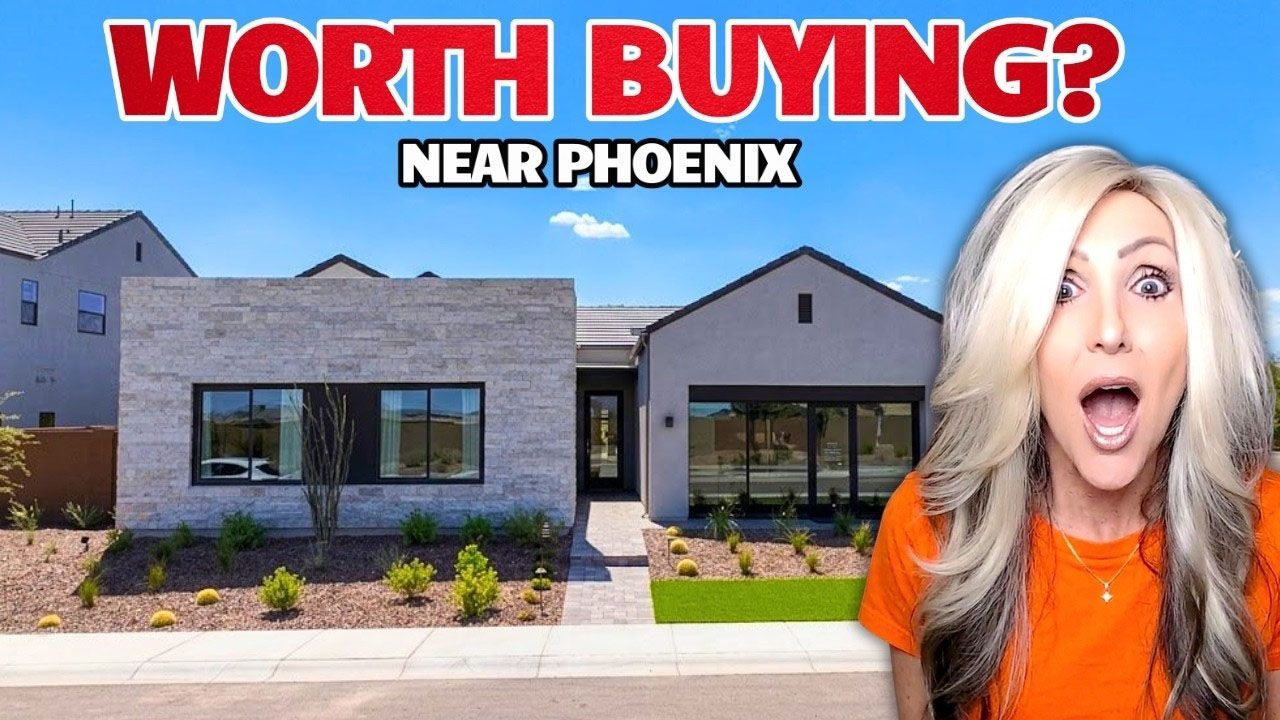
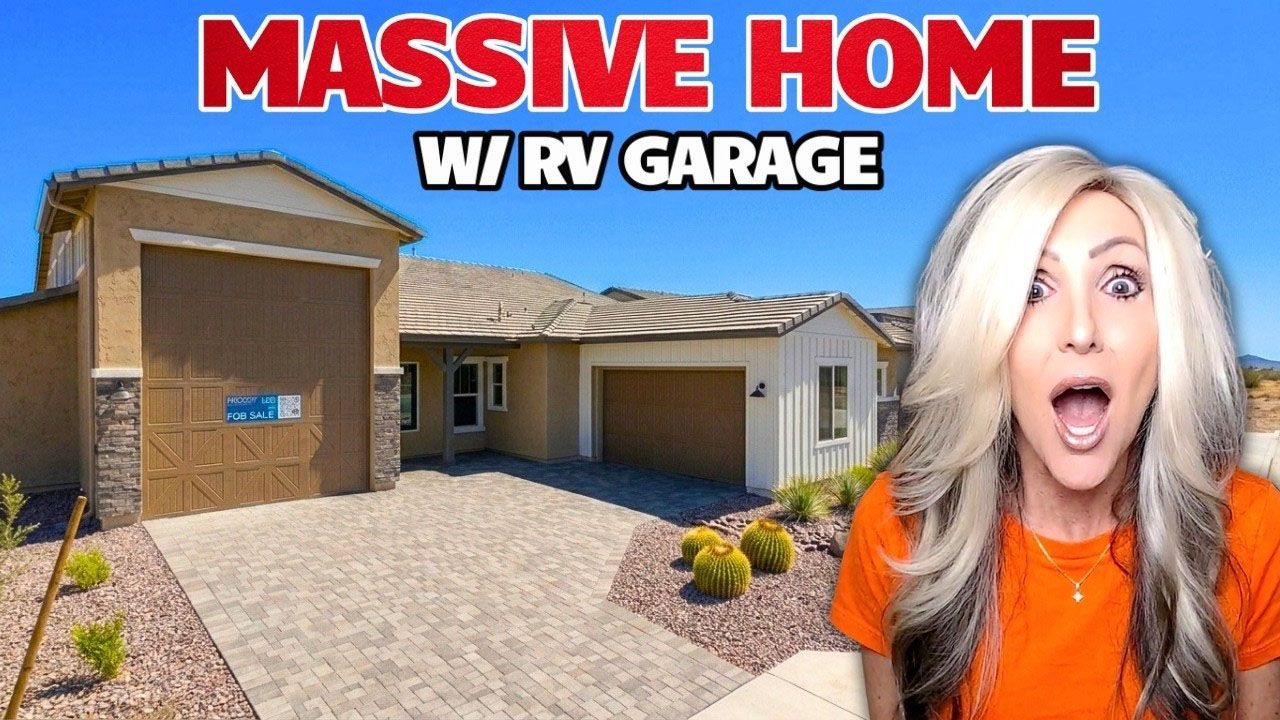
While new builds offer modern finishes and incentives, they often come with trade-offs:
- Longer drive times
- Limited dining and entertainment
- Ongoing construction
- Delayed community development (schools, parks, retail)
Meanwhile, established areas may offer:
- Mature neighborhoods
- Better amenities
- Shorter commutes
- Stronger sense of community
THE NEW VS. RESALE REALITY
Builders like Toll Brothers are known for stunning model homes—but upgrades can add 40–50%+ to the base price.
On the other hand, resale homes often include:
- Completed upgrades
- Larger lots
- Established surroundings
Bottom line: Don’t be “house-driven.” Be lifestyle-driven.
Relocating to Phoenix isn’t just about buying a home—it’s about understanding how to live here.
From water considerations to heat, infrastructure, and choosing the right suburb, every decision impacts your long-term experience.
If you approach your move strategically, Phoenix offers:
- Strong long-term growth
- Expanding infrastructure
- Diverse lifestyle options across the Valley

Sheryl Willis
With over 20 years in Greater Phoenix real estate, Sheryl Willis helps buyers navigate relocating with ease. Known for her expertise and client-focused approach, she shares valuable insights on her YouTube channel to make moving to Phoenix a seamless experience.
Watch the latest arizona Video